Last Updated: August 26 2026
If I’ve been charged with a provincial offence in Ontario, what should I expect and how can a paralegal help me fight the charge?
In Ontario, provincial offences are quasi-criminal, prosecuted under the Provincial Offences Act, R.S.O. 1990, c. P.33, and while a conviction generally avoids a criminal record, penalties, fines, and licence consequences can still be serious. A paralegal at Gutoski Legal Services can help you understand the allegation, deadlines, and disclosure, then prepare submissions and evidence for an Ontario Court of Justice (Provincial Division) proceeding. If you’re dealing with a traffic, bylaw, or regulatory matter, calling (289) 902-0227 helps you get next-step guidance quickly.
Add this website to Google Preferred Sources
Provincial Offence Allegations as Being Charges Considered as Quasi-Criminal Matters
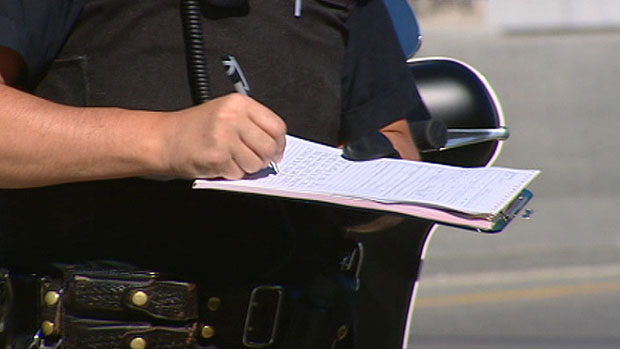 Provincial offences are quasi-crimes or regulatory offences in that they are violation of laws enacted to regulate individual conduct for the protection of society as a whole and they are prosecuted by a Prosecutor as an agent of the state, meaning as a representative of the people; however, unlike criminal offences, upon conviction of a provincial offence a person avoids establishing a criminal record. With this said, although conviction for a provincial offence fails to establish a criminal record, the consequences for conviction of a provincial offence may still carry heavy penalties and consequences for the convicted person.
Note: Please contact Gutoski Legal Services by phone at: (289) 902-0227 to discuss any specific questions that you may have.
The Provincial Offences Act, R.S.O. 1990, c. P.33, as well as the Rules of the Ontario Court (Provincial Division) in Provincial Offences Proceedings, R.R.O. 1990, Reg. 200, provide the procedural law that guides the process by which offences within numerous substantive law statutes are prosecuted. The range in matters falling under the purview of provincial offences is very broad. Concerns involving provincial offences include:
More Information About Fighting Provincial Offences Charges Is Available...
Here are links to three (3) other webpages:
NOTE: A significant number of online searches related to “lawyers near me” or “best lawyer in” frequently indicate an urgent requirement for proficient legal assistance rather than a particular title of a professional. In Ontario, licensed paralegals are governed by the same Law Society that regulates lawyers and have the authority to represent clients in specified litigation areas. Advocacy, legal examination, and procedural expertise are fundamental to this function. Gutoski Legal Services provides legal representation within its licensed framework, focusing on strategic positioning, evidence preparation, and compelling advocacy aimed at obtaining effective and advantageous outcomes for clients.